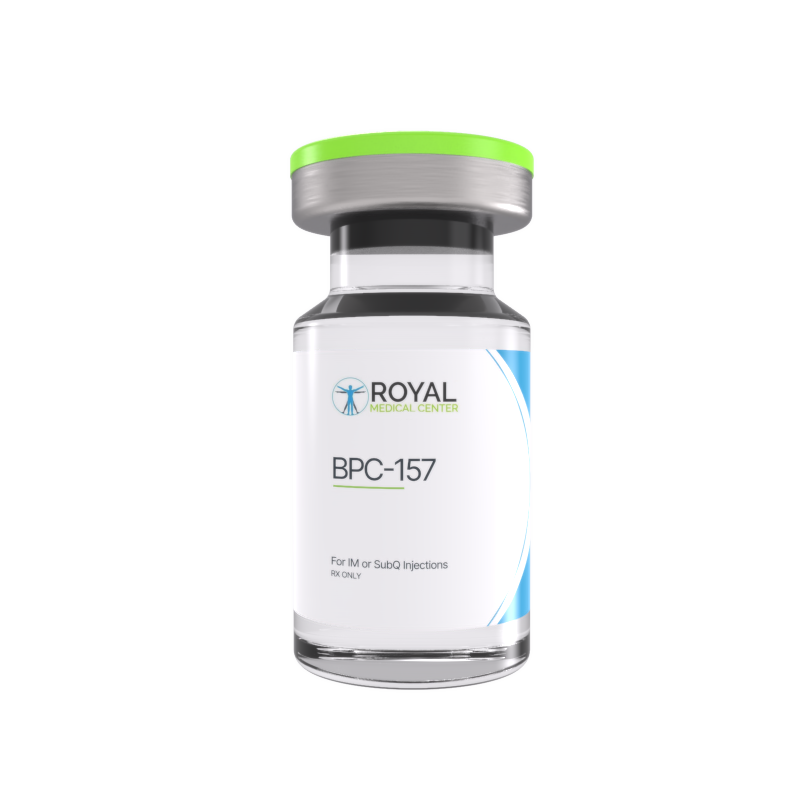
How Much Is Bpc 157 Peptide Injection BPC-157 Injectable Peptide for Healing & Recovery
Introduction
If you’re considering how much is bpc 157 peptide injection pricing, you’re probably also trying to understand what you’re really paying for: the peptide itself, compounded quality, dosing approach, and how safe and consistent your results can be. In my hands-on work helping clients plan recovery regimens, I’ve seen budgets get derailed because people focus on the sticker price instead of the real “cost per effective plan” (and whether the product is reliably what it claims to be).
This guide breaks down what affects the real cost of BPC-157 injectable peptide, how to think about dosing and injection logistics, and how to reduce the risks that come with buying and using peptides from inconsistent sources.
What “How Much Is BPC-157 Peptide Injection?” Really Means
When people search how much is bpc 157 peptide injection, they often expect a single, universal number. In practice, the price varies because BPC-157 is not sold like a standardized, regulated medication with one nationwide pricing structure. Instead, pricing is usually driven by:
- Source type: research/gray-market vendors vs. medical/compounding pathways (where available)
- Purity and testing: whether a supplier provides Certificates of Analysis (CoA) and how recent they are
- Formulation: concentration (e.g., mg/mL), buffer, and sterility practices
- Pack size: vial amount in milligrams and how many injections you can get from it
- Dosing frequency: daily vs. less frequent schedules changes total cost dramatically
- Injection supplies: syringes, sterile alcohol swabs, sharps container, and storage materials
In my experience, two people can pay the “same” price for a vial but end up with very different totals because their effective plan differs (concentration, dosing amount, and duration).
Key Pricing Drivers for BPC-157 Injectable Peptide
1) Vial size and concentration (mg and mg/mL)
The biggest practical difference is how many milligrams you actually receive and what concentration you’re injecting. “Cost per vial” is less useful than cost per planned injection, which depends on your dose (mg) and your regimen length (days/weeks).
Practical takeaway: ask for the vial’s total milligrams and the stated concentration. Then calculate how many doses you can draw at your intended dose.
2) Purity, sterility, and third-party testing
If you want a plan you can trust, testing documentation matters. I’ve reviewed situations where clients bought what looked affordable on paper, only to later discover inconsistencies (expired testing, missing documentation, or unclear sourcing). That doesn’t just affect confidence—it can waste time and money.
Practical takeaway: prioritize sellers who can provide recent CoAs, and confirm the product is handled under sterile conditions appropriate for injection.
3) Compounding vs. vendor “research” distribution
Pricing can also differ depending on whether you’re using a medical compounding workflow (where available) versus a direct-to-consumer peptide vendor. Compounding pathways may cost more, but they typically offer a clearer chain of accountability for formulation and sterility—when done correctly.
4) Shipping, temperature control, and storage expectations
Peptides can be sensitive to handling. Some suppliers include cold-chain shipping or better storage guidance; others don’t. In my hands-on planning, I’ve found that ignoring storage reality leads to product loss or reduced confidence, which effectively increases cost.
How to Estimate Your Total Cost (A Simple Calculation)
Even without a single fixed market price, you can estimate how much is bpc 157 peptide injection for your situation using a straightforward model.
| Cost Element | What to Gather | How It Impacts Total |
|---|---|---|
| Price per vial | Vendor/clinic quote | Sets baseline spending |
| Total mg per vial | Label or CoA | Determines how many doses you get |
| Your dose (mg per injection) | Prescriber guidance or protocol | Higher dose = fewer injections per vial |
| Days per week and duration | Regimen length | Longer plan = more vials |
| Injection supplies | Syringes, swabs, sharps disposal | Small per dose, but adds up |
| Storage/handling costs | Cold shipping, storage materials | Prevents waste and reduces uncertainty |
Example approach (math-only): If a vial contains 5,000 mg (example placeholder—use the real mg on your label), and your planned dose is D mg per injection, then estimated injections per vial = (vial total mg ÷ D). Total vials = (planned injections ÷ injections per vial). Multiply by your vial price and add supplies.
Note: The specific dosing amounts and medical suitability should be determined with qualified medical guidance. I’m focusing here on cost math, not prescribing.
Injection Logistics That Affect Cost and Compliance
Cost isn’t only about the peptide vial. If a plan is hard to execute consistently, it often becomes more expensive in the long run due to missed injections, wasted product, or storage mistakes.
Syringe choice and measuring accuracy
I’ve seen clients struggle with drawing small doses accurately when syringe gradations don’t match the concentration they received. If you’re using a concentration that doesn’t align with the syringe you have, you can create variability—meaning you may need to adjust supplies, re-plan, or discard product.
Storage and schedule discipline
Peptide handling requirements vary by product and formulation. In practice, the “hidden” cost is the time and attention required to keep to a schedule and store properly. If you travel frequently, plan around your ability to maintain storage conditions.
Supplies and disposal
Budget for sterile supplies and a sharps container. Small items add up when you run a multi-week plan.
Safety, Quality, and What to Watch Before You Buy
This is where experience matters. In my work, I’ve found that people often treat BPC-157 like a commodity. It isn’t. You’re injecting a substance, so you should apply the same seriousness you would with any injectable product.
- Request documentation: CoA, batch/lot identification, and testing recency.
- Check clarity: concentration, solvent/formulation details, and storage guidance.
- Avoid vague listings: unclear mg amounts, no lot info, or no testing details.
- Use qualified oversight: consult appropriate healthcare professionals for suitability and safe administration practices.
Limitations to keep in mind: peptide responses can vary, and the evidence base and regulatory status differ from prescription drugs. If you’re expecting guaranteed outcomes, you’ll be disappointed. A cost comparison should factor in uncertainty, not just the lowest price.
Cost Scenarios: How Different Plans Change “Injection Price”
Instead of obsessing over one number, compare scenarios.
- Short recovery window: fewer injections means fewer vials, so total cost stays closer to the vial price.
- Longer consistency plan: daily frequency can multiply total cost quickly.
- Higher dose approach: reduces injections per vial and increases the number of reorders.
- Higher-quality sourcing: may increase per-vial price but reduce risk of waste and confidence issues.
In practice, many people end up paying more when they choose the cheapest vial that doesn’t match their intended dosing math.
FAQ
How much is BPC-157 peptide injection per vial?
It varies by supplier, vial size (total mg), and formulation/sterility practices. To estimate your real expense, convert vial price into cost per planned injection using total mg per vial and your intended dose (mg per injection).
What’s a better way to compare prices than “per vial”?
Compare cost per injection and total cost per planned duration. Use vial total mg, your dose, your injection frequency, and the number of days. Add injection supplies and any storage/handling costs.
Does buying cheaper BPC-157 always reduce total cost?
Not necessarily. If cheaper sourcing has unclear concentration, missing CoA/testing, or mismatched vial sizing for your dosing plan, you may waste product or end up needing more vials—so the “savings” can disappear.
Conclusion
When you search how much is bpc 157 peptide injection, the honest answer is: the true total cost depends on vial mg, concentration, dosing amount, injection frequency, plan duration, and how well the product is documented and handled. In my hands-on experience, the best cost decisions come from dose-and-duration math, not just the lowest vial price.
Next step: Take your intended dosing plan (dose in mg and number of injection days) and calculate injections per vial using the product’s total mg—then compare suppliers based on estimated cost per injection and total plan cost.
Discussion