Can You Inject B12 In Stomach can you inject b12 into stomach Vitamin B12 Injection Sites: All You Need to Know
Quick context: why this question comes up
If you’ve ever wondered can you inject B12 in stomach, you’re not alone. In my hands-on work helping people set up consistent self-injection routines, this question usually shows up right when someone gets their prescription, checks their instruction sheet, and sees “subcutaneous injection” without a lot of day-to-day clarity. The goal of this guide is to give you practical, safety-focused answers about vitamin B12 injection sites, what “safe areas” really mean, and how to choose a technique that reduces irritation and missed doses.
Throughout this article, I’ll assume you’re receiving standard vitamin B12 (like cyanocobalamin or hydroxocobalamin) prescribed for deficiency, and that your clinician has instructed you to use subcutaneous (under-the-skin) injections. If your prescriber instructed an intramuscular route instead, the site guidance can differ.
Vitamin B12 injection sites: what “stomach injection” usually means
When people say “inject B12 in stomach,” they typically mean subcutaneous injection into the lower abdomen (the “belly fat” area), rather than injecting into the stomach organ itself. The stomach is a muscular organ inside your abdomen—so the skin-and-fat injection concept is about targeting the subcutaneous tissue just under the skin.
In practice, the commonly used subcutaneous B12 injection sites include:
- Lower abdomen (often 2–3 inches away from the navel)
- Outer thighs
- Back of the upper arms (if a caregiver or you can access safely)
In my experience, lower-abdomen sites are popular because they’re easy to access and allow good pinch-and-release technique. But the “best” site is the one that fits your body, your injection comfort level, and your clinician’s instructions.
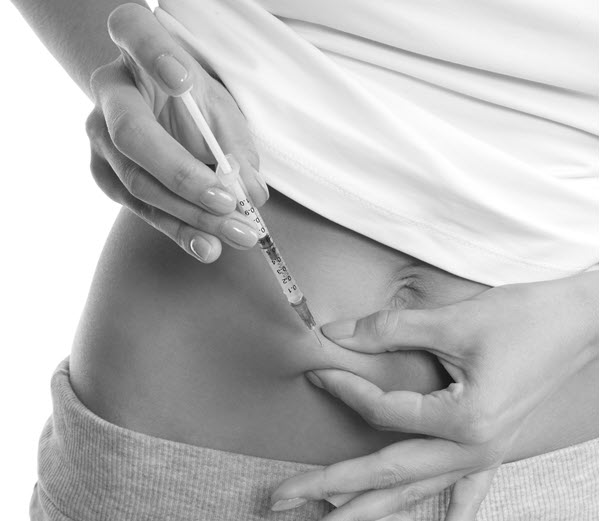
So, can you inject B12 in stomach?
Yes—if your prescription says subcutaneous injection and your clinician agrees. For many patients, the lower abdomen is an accepted subcutaneous vitamin B12 injection site. The key is correct site selection and technique, not the “stomach” idea.
How to choose a safe stomach (lower abdomen) area
Use these practical rules I’ve followed when coaching patients through safe site selection:
- Avoid the navel: Keep a margin around it (commonly a few inches).
- Avoid irritated skin: Skip any area with redness, rashes, swelling, open sores, or active infection.
- Avoid injection into obvious scars or lumps: If you have hardened areas from prior injections, use a different spot.
- Rotate sites: Rotation reduces local inflammation and helps prevent “getting sore in the same place.”
When stomach injection is not the right choice
Even if the stomach/lower abdomen is commonly used, there are situations where I would not recommend choosing that site without clinician guidance:
- Your clinician instructed an intramuscular route
- You have significant skin problems in the abdomen region
- You have very limited subcutaneous tissue where you cannot reliably pinch the skin/fat
- You’re unsure about the dose volume or needle type (for example, insulin syringes vs. other syringe sizes)
Why subcutaneous B12 works (and what can go wrong with poor technique)
Subcutaneous injections deliver medication into the subcutaneous tissue, where it can absorb gradually. This route can be appropriate for B12 formulations and schedules, and it’s often favored for home administration because it’s generally less intimidating than deep intramuscular injections.
However, technique matters. In my hands-on work, the most common issues I see are local irritation and inconsistent dosing due to:
- Inconsistent depth (injecting too shallowly into the skin layer or too deep depending on needle length)
- Not rotating injection sites, leading to tenderness, lumps, or bruising
- Rushing (especially with reconstitution, drawing up medication, or waiting for the medication to settle)
- Reusing needles (which increases pain and tissue trauma)
Practical technique principles (stomach or other sites)
Without replacing your prescription instructions, these are the core principles I’d expect you to follow for a subcutaneous vitamin B12 injection:
- Clean the skin using an appropriate antiseptic swab and let it dry.
- Use the correct needle and syringe as directed.
- Create a skin fold (pinch the skin/fat gently) if that’s consistent with your clinician’s instructions.
- Insert at the correct angle for your device and prescribed method.
- Inject steadily and follow any guidance on whether you should hold the needle in place briefly afterward.
- Dispose safely in an approved sharps container.
If you’re feeling pain that feels unusual, burning that persists, or you’re seeing worsening redness or swelling, stop and contact your prescriber or a qualified clinician for guidance.
Stomach vs. thigh vs. upper arm: choosing the best injection site for you
Here’s a grounded comparison that reflects how patients typically experience these areas in real life.
| Injection site | Typical use (subcutaneous) | Common pros | Common limitations | Best for |
|---|---|---|---|---|
| Lower abdomen (“stomach” area) | Commonly accepted for subcutaneous B12 | Easier access, good pinch technique | May be uncomfortable if you’re sensitive there; avoid irritated skin | Most self-injectors |
| Outer thigh | Commonly accepted for subcutaneous B12 | Often comfortable and accessible | Can bruise more if you move during injection | People who prefer leg sites |
| Upper arm (back/side area) | Possible for subcutaneous B12 | Useful when abdomen feels sore | Self-access can be hard; often needs a caregiver | With a caregiver’s help |
Rotation tip I’ve seen work: pick 2–3 approved zones and “cycle” them. For example, lower abdomen left quadrant one week and right quadrant another—then alternate. The exact layout should match your comfort and your clinician’s instructions.
Aftercare: what to expect after a stomach-area B12 injection
After subcutaneous vitamin B12 injection, mild effects can be normal, especially when you’re new to self-injection:
- Small redness at the injection site
- Light tenderness or a minor bruise
- A faint raised bump that fades over time
In my practical coaching, I emphasize two watch-outs:
- Persistent or worsening symptoms at the site (increasing pain, expanding redness, warmth)
- Systemic reactions (hives, difficulty breathing, facial swelling), which require urgent medical attention
When in doubt, contacting your prescriber is the safest path—especially if you’re injecting into a new stomach-area spot for the first time.
FAQ
Can you inject B12 in stomach if you’re thin or don’t have much belly fat?
Sometimes yes, but it depends on whether you can reliably inject into the subcutaneous tissue as directed. If you can’t create an appropriate skin fold or you’re unsure about the depth, choose another approved site (like outer thigh) and confirm the technique with your clinician.
How far from the belly button should you inject B12?
A common practical rule is to stay a few inches away from the navel, and never inject directly into irritated, scarred, or inflamed skin. Follow your prescriber’s specific guidance if it differs.
What should I do if I keep getting lumps or bruises in the same stomach area?
That’s a strong sign to rotate sites more consistently and avoid using the most reactive spots. If the lumps persist, become painful, or redness increases, contact your prescriber to rule out local tissue reaction or technique-related issues.
Conclusion: your next practical step
For many people, can you inject B12 in stomach has a straightforward answer: yes—when it’s subcutaneous and you choose an appropriate lower-abdomen area, avoid irritated skin, and rotate sites. If you only do one thing next, make a simple injection-site rotation plan (abdomen left/right + an alternate site like thigh) and stick to it—this is one of the most effective ways I’ve seen to reduce soreness and improve consistency.
Discussion