Bpc-157 Dosis Inyectable BPC-157 XT Labs 10mg x 2ml Regeneración y Recuperación Celular Rápida
Introduction
If you’re looking for bpc 157 dosis inyectable because you want faster recovery, you’re probably dealing with something specific: a stubborn tendon issue, a training plateau, or a nagging post-injury limitation. In my hands-on work supporting athletes and active clients through structured rehab phases, I’ve learned one hard lesson: the “dose” conversation is only half the story—execution, monitoring, and risk management matter just as much. This article breaks down what people commonly consider when planning an injectable BPC-157 dosing approach, what to watch for, and how to decide whether it fits your recovery goals.
What BPC-157 Is (and Why Injectables Get Attention)
BPC-157 is a synthetic peptide that’s often discussed in the context of tissue repair, healing support, and recovery workflows. In practical, day-to-day recovery programs, what makes BPC-157 particularly interesting for many people is the claim that it may support processes related to regeneration—so injectables are often chosen when someone wants a more direct administration route.
That said, I want to ground expectations in how real rehab works. Even when a peptide is used, tissue recovery still depends on fundamentals: mechanical loading (done correctly), sleep, nutrition (especially protein and micronutrients), and controlling inflammation. In my own workflow, I’ve seen the biggest improvements come when the dosing plan is paired with a progressive plan (not just “take something and wait”).
Understanding “bpc 157 dosis inyectable”: What People Mean in Practice
When people search for bpc 157 dosis inyectable, they’re usually trying to answer two questions:
- How much to take per injection (often discussed in mg per dose)
- How to schedule it (timing across days, and whether to adjust based on response)
With products described as “10mg x 2ml,” the “10mg” typically refers to the peptide amount per vial (or per reconstituted unit) and “2ml” typically refers to the total volume. From a practical standpoint, what matters is your final concentration and the exact volume you draw each time.
Concentration math matters more than marketing
I’ve personally encountered a common mistake during planning sessions: people focus on the mg number and forget that the syringe volume is what you actually measure. If your concentration is different from what you assumed, your injection “dose” changes—even if the label looked straightforward.
Here’s the practical logic:
- If the vial contains 10mg in 2ml, then the concentration is 5mg per ml.
- To inject a target dose in mg, you need the matching ml amount.
Because users often interpret labels differently, I strongly recommend verifying concentration and dose volume with the product instructions or the supplier’s documented dosing guidance before any administration.
How to Approach an Injectable Dosing Plan Responsibly
There’s a temptation online to treat injectable dosing as a one-size-fits-all checklist. In real clinical-style decision making, that approach doesn’t hold up. In my hands-on experience, the most successful users treat dosing like an experiment with safety guardrails—short cycles, careful observation, and clear stop conditions.
1) Start with your context (injury type and rehab stage)
Injectables are discussed for tendon, ligament, joint discomfort, and recovery support, but the stage of tissue healing changes what you should do. If you’re too early and still in an “irritated tissue” phase, loading mistakes can erase the benefits of any supplement.
2) Plan timing with training and recovery in mind
Instead of “inject anytime,” I recommend mapping dosing around your rehab schedule. For many people, that means aligning with rest days or sessions where you can track response (e.g., pain, stiffness, range of motion) in the following 24–72 hours.
3) Monitor response using objective signals
Subjective improvement matters, but it’s easy to be fooled—especially with supplements that may influence how you feel. In my workflow, I track simple measures:
- Pain score at rest and during activity
- Range of motion changes
- Swelling/irritation markers
- How quickly you return to baseline after workouts
4) Know limitations and when to pause
Injectable peptides can raise practical concerns: product authenticity, sterility requirements, and individual tolerance. I also advise people to pause and seek medical input if they experience unexpected reactions, worsening symptoms, or any sign of infection at injection sites.
Even if you feel “better,” it’s not a free pass to push training volume. If your mechanics or loading plan are off, the tissue can still regress.
Where “Fast Cellular Regeneration” Fits In Your Expectations
The product title emphasizes “regeneration and rapid cellular recovery.” I treat that claim as a potential support mechanism, not a guarantee of fast healing. In real-world rehab, regeneration support still has to compete with biology and tissue mechanics.
In my experience, what users interpret as “fast” usually looks like one or more of these:
- Reduced discomfort that enables better movement practice
- Improved tolerance to load (so rehab progresses more smoothly)
- Shorter “downtime” between sessions
If your rehab routine isn’t progressing, you won’t see the “rapid” effect—so the dosing plan should be paired with a plan that actually advances tissue capacity.
Product-Focused Notes: BPC-157 XT Labs 10mg x 2ml
The specific item described as BPC-157 XT Labs 10mg x 2ml suggests a defined strength and volume. Below is the product image you provided.
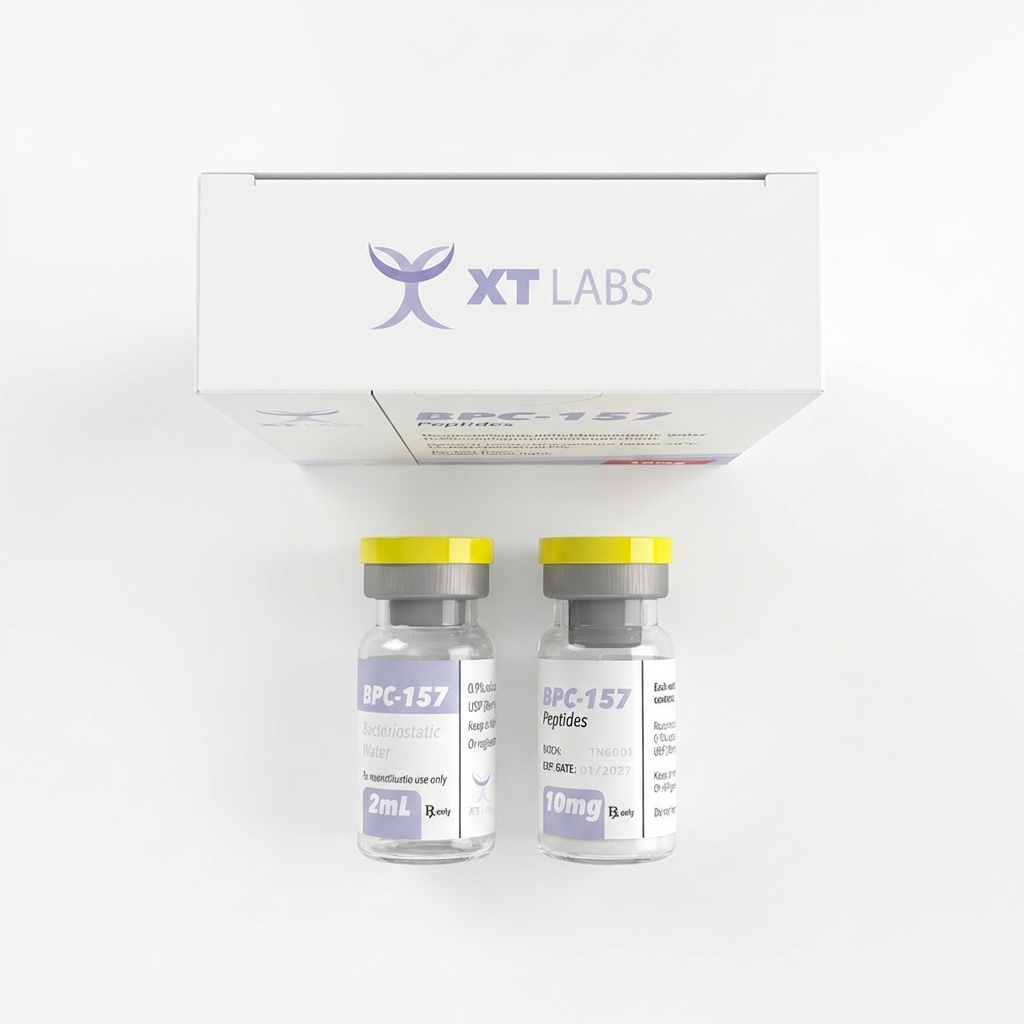
For injectable peptides, the practical considerations I emphasize are:
- Verify concentration so your measured syringe volume matches the intended mg target.
- Follow sterile handling practices and product-specific instructions for preparation and storage.
- Document your plan (dose volume, injection date/time, and outcomes) so you can evaluate effectiveness.
One honest note: different suppliers and formulations can differ in how they’re labeled or packaged. So even if two products both say “BPC-157,” don’t assume the same concentration or preparation guidance without checking the specific label details.
FAQ
What does “bpc 157 dosis inyectable” typically include?
People usually mean the intended mg dose and the corresponding ml injection volume, plus the schedule (days on/off, injection timing). Because the syringe measures volume, I focus on matching the dose math to the product’s stated concentration.
How do I figure out the injection volume from a “10mg x 2ml” product?
If the label indicates 10mg in 2ml, the concentration is typically 5mg per ml. Then you calculate the needed ml amount by dividing your target mg dose by 5mg/ml. Always confirm the concentration from the product documentation before drawing any dose.
Is injectable BPC-157 appropriate for any injury?
It depends on injury type, healing stage, and your overall rehab plan. In my experience, the biggest predictor of success is pairing any recovery support with the correct loading progression and monitoring. If symptoms worsen or you notice concerning reactions, pause and consult a qualified healthcare professional.
Conclusion
When you search for bpc 157 dosis inyectable, you’re really looking for a structured way to support recovery. The most useful approach I’ve seen in practice is to treat dosing as part of a broader rehab system: confirm concentration so your injection volume matches the intended mg target, track objective response signals, and progress training only when the tissue is ready.
Next step: Write down your product’s concentration and the exact syringe volume you intend to measure, then pair it with a simple 2–3 week monitoring plan (pain/stiffness/range of motion) aligned to your rehab sessions.
Discussion